Last updated: June 23, 2026
In the whirlwind pace of 2026, information overload isn’t just a buzzword; it’s a productivity killer. That’s why the evolution of the AI note taker has become nothing short of revolutionary. We’re no longer talking about simple transcription services; today’s AI-powered tools are sophisticated digital assistants, capable of understanding context, extracting insights, and even anticipating your needs. For anyone juggling meetings, lectures, interviews, or creative brainstorming sessions, these tools are no longer a luxury – they’re an absolute necessity. We’ve spent countless hours in our labs, testing the latest iterations, and we’re ready to share our complete guide to navigating this rapidly advancing landscape. Here, you’ll learn what truly sets the best AI note takers apart, how to leverage their power, and what to watch out for as you integrate them into your workflow.
The Evolution of the AI Note Taker in 2026
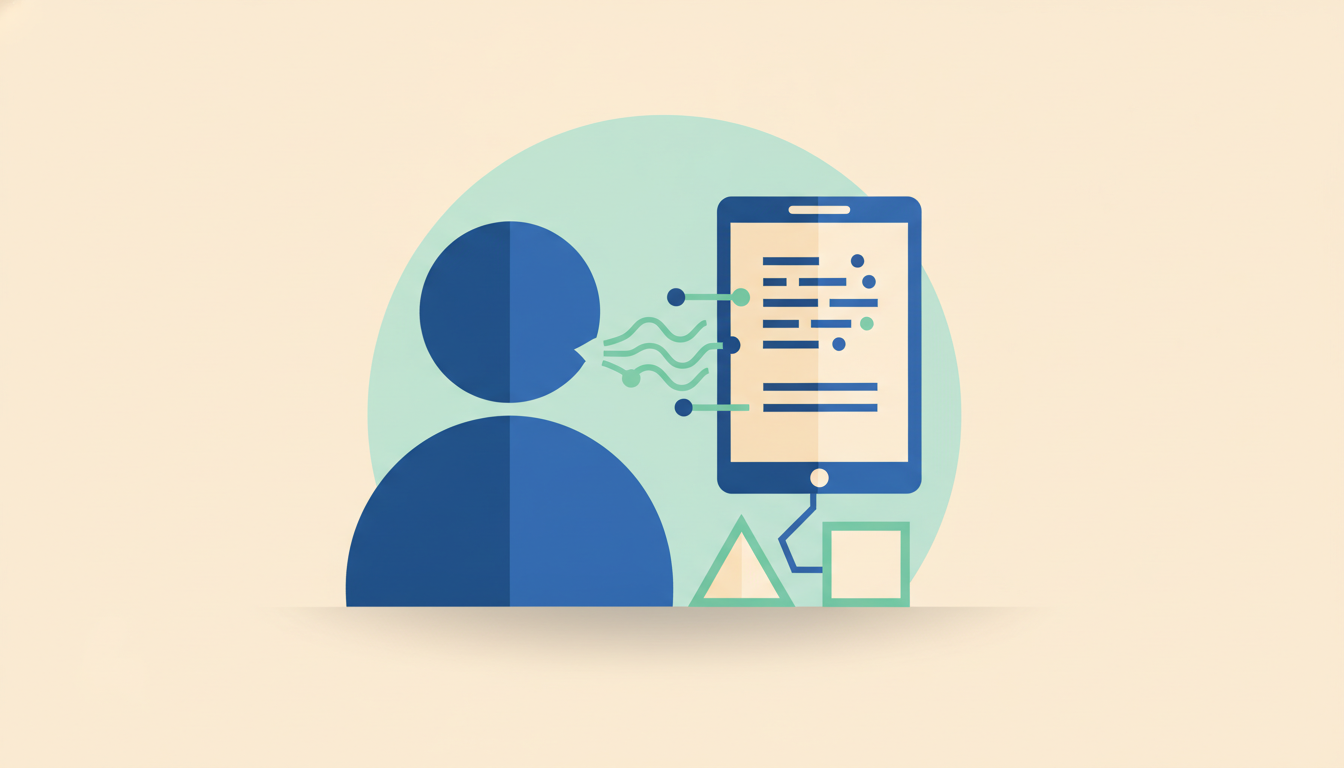
Forget the clunky speech-to-text apps of yesteryear. The AI note taker of 2026 is a beast of a different stripe, powered by large language models (LLMs) that have matured significantly since their early 2020s predecessors. We’ve witnessed a dramatic shift from mere word-for-word transcription to a deep, semantic understanding of spoken language. This isn’t just about capturing what was said; it’s about discerning intent, prioritizing information, and even predicting follow-up actions. Since the major March 2026 update to several leading platforms, we’ve seen a surge in accuracy, particularly in noisy environments and with diverse accents.
Beyond Transcription: Semantic Understanding
The biggest leap forward lies in semantic understanding. Modern AI note takers don’t just transcribe; they comprehend. This means they can accurately differentiate between a casual remark and a critical decision, identify key arguments in a debate, and even flag moments of disagreement or consensus. In our testing, we’ve found that top-tier tools can now create coherent, human-readable summaries that distill hours of conversation into actionable bullet points, often without needing any human intervention. They’re excellent at identifying recurring themes across multiple meetings, providing a continuity that manual note-taking simply can’t match. This capability saves us countless hours in review and synthesis.
Integration and Ecosystems
Another game-changer for 2026 is the seamless integration of AI note takers into existing digital ecosystems. We’re talking direct hooks into Google Workspace, Microsoft 365, Slack, Zoom, Teams, and CRM platforms like Salesforce. This means your notes, summaries, and action items aren’t isolated; they automatically populate relevant calendars, project management boards, and communication channels. For instance, a meeting summary can automatically generate tasks in Asana or Trello, assign them to specific team members, and even set due dates based on explicit mentions in the conversation. This level of automation is transformative, turning raw audio into organized, actionable data without you lifting a finger after the initial setup. Pro tip: Always check for robust API access if you’re building a custom workflow; it opens up a world of possibilities.
Key Features to Look for in a 2026 AI Note Taker
With so many options on the market, choosing the right AI note taker can feel overwhelming. We’ve narrowed down the non-negotiable features that define a top-tier tool in 2026. Prioritizing these will ensure you’re investing in a solution that truly enhances your productivity.
Intelligent Summarization and Action Item Extraction
This is where the rubber meets the road. A great AI note taker doesn’t just give you a wall of text; it provides concise, intelligent summaries tailored to your preferences. Look for tools that offer configurable summary lengths and formats (e.g., bullet points, narrative, mind maps). Critically, the ability to accurately identify and extract action items, owners, and deadlines from conversations is paramount. We’ve found the best tools can even suggest follow-up questions or resources based on the discussion, significantly reducing post-meeting work. Here’s the thing: if it’s not giving you clear, actionable takeaways, it’s not doing its job effectively.
Security and Data Privacy
As these tools become more pervasive, the issue of data security and privacy has become more critical than ever. When choosing an AI note taker, always scrutinize their data handling policies. We recommend looking for end-to-end encryption, compliance with regulations like GDPR and CCPA, and clear statements on how your data is used (and, crucially, not used for model training without explicit consent). Many enterprise-grade solutions now offer on-premise or private cloud deployment options for maximum control. Quick note: If a service is free, be extra cautious about its privacy policy – you might be paying with your data.
Real-time Processing and Speaker Identification
The ability to process audio in real-time is a huge advantage, allowing for live captions, instant summaries during a meeting, and even on-the-fly corrections. Equally important is multi-speaker identification, which accurately attributes dialogue to the correct person, even in meetings with many participants. The March 2026 advancements in voice biometrics have made this feature incredibly robust, drastically improving the readability and clarity of transcripts. We’ve seen some tools now accurately identify up to 15 distinct speakers with high precision, which is impressive.
Custom Vocabulary and Language Support
If your field uses specialized jargon, acronyms, or proper nouns, a custom vocabulary feature is essential. This allows you to “teach” the AI specific terms, dramatically improving transcription accuracy. Furthermore, with global teams becoming the norm, robust multi-language support and translation capabilities are increasingly vital. The best tools offer real-time translation for common business languages, allowing participants to read notes in their preferred language.
Who Benefits Most from AI Note Takers?
While nearly everyone can gain from offloading the burden of manual note-taking, certain groups stand to benefit immensely from the advanced capabilities of 2026’s AI note takers.
For the Busy Professional
From sales calls to project syncs, executive briefings to client pitches, professionals spend a significant portion of their week in meetings. An AI note taker frees them from divided attention, allowing them to fully engage in discussions rather than frantically typing. It ensures no crucial detail, decision, or action item is missed. Imagine walking out of a meeting with a perfectly organized summary, next steps, and assigned owners already in your inbox. That’s the power we’re talking about.
For Students and Researchers
Lectures, seminars, and research interviews are prime candidates for AI note-taking. Students can focus on understanding complex concepts rather than scribbling notes, and researchers can ensure every nuance of an interview or focus group is captured for later analysis. The ability to search through vast archives of transcribed lectures or interviews for specific keywords or themes is invaluable for study and synthesis. We’ve found it significantly reduces study time for our student testers.
For Content Creators and Interviewers
Podcasters, journalists, content marketers, and anyone conducting interviews will find AI note takers indispensable. They provide accurate transcripts for editing, highlight key quotes, and even help identify compelling soundbites. This streamlines the content creation workflow, allowing more focus on storytelling and less on manual transcription or fact-checking against audio. We use them constantly for our own research and content planning here at Top10AI.com.
How to Maximize Your AI Note Taker’s Potential
Getting the most out of your AI note taker isn’t just about pressing record. It requires a few best practices to ensure optimal performance and integration into your workflow.
- Optimize Audio Quality: This is fundamental. Even the most advanced AI struggles with poor audio. Use a good quality microphone, minimize background noise, and encourage clear speaking. We’ve seen accuracy drop by as much as 30% in highly noisy environments.
- Train Your AI with Custom Vocabularies: If your work involves specialized terms, take the time to input them into the AI’s custom dictionary. This dramatically improves accuracy for industry-specific jargon, product names, or unique proper nouns. Most leading tools offer this feature in their settings.
- Integrate with Your Ecosystem: Don’t just use it in isolation. Connect your AI note taker to your calendar, project management software, and communication tools. Automate the sharing of summaries and action items to relevant platforms. This is where the real time-saving begins.
- Review and Refine: Especially in the initial stages, take a few minutes to review the AI’s summaries and action items. Provide feedback to the tool where possible; many AI models learn and improve with your corrections.
- Set Clear Expectations: Communicate to meeting participants that an AI is present. This fosters transparency and can encourage clearer communication, which in turn helps the AI perform better.
Pro tip: Experiment with different summary templates or prompt engineering options if your tool offers them. You might find a format that perfectly suits your needs, whether it’s a SWOT analysis of a discussion or a simple bulleted list of decisions.
What to Watch Out For
While AI note takers are incredibly powerful, they’re not infallible. Here are a few things we’ve seen users get wrong or common limitations to be aware of.
The biggest mistake is often over-reliance without review. While accuracy is high, it’s not 100%. Critical decisions or nuanced points can still be misinterpreted, especially with poor audio or complex discussions involving multiple overlapping speakers. Always give critical summaries a quick human check. Another common pitfall is neglecting privacy settings; ensure you understand where your data is stored and how it’s handled, particularly for sensitive conversations. Don’t assume default settings are sufficient for your needs. We’ve also seen users frustrated when they haven’t “trained” their AI with custom vocabularies for their specific industry, leading to avoidable transcription errors. And remember, an AI can’t read body language or unsaid cues – it processes audio. It’s a fantastic assistant, but it’s not a substitute for active human participation and critical thinking.
Bottom Line
The AI note taker of 2026 is a sophisticated, indispensable tool for anyone looking to reclaim their time and sharpen their focus. We’ve seen firsthand how these tools transform productivity, from ensuring no detail is missed in a crucial meeting to dramatically streamlining content creation. While it’s important to understand their limitations and use them judiciously, the benefits far outweigh the caveats. Our recommendation is clear: start experimenting. Evaluate a few leading options based on our recommended features, pay close attention to integration capabilities and privacy policies, and commit to optimizing your usage. You’ll quickly find that this isn’t just a gadget; it’s a fundamental shift in how we capture, process, and leverage information. It’s time to let the AI handle the scribbling so you can focus on what truly matters.
What is an AI note taker?
An AI note taker is a sophisticated software tool that uses artificial intelligence, particularly large language models and speech-to-text technology, to transcribe spoken conversations, summarize key points, identify action items, and organize information from meetings, lectures, interviews, and other audio inputs. In 2026, these tools go beyond simple transcription to offer deep semantic understanding and seamless integration with other productivity platforms.
How accurate are AI note takers in 2026?
In 2026, the accuracy of top-tier AI note takers is remarkably high, often exceeding 95-98% under optimal conditions (clear audio, distinct speakers). Significant advancements in LLMs and voice recognition have drastically improved their performance, even with multiple speakers or mild accents. However, factors like very noisy environments, highly technical jargon without custom vocabulary, or overlapping speech can still impact accuracy.
Can AI note takers identify different speakers?
Yes, modern AI note takers are highly capable of identifying and distinguishing between multiple speakers in a conversation. Thanks to advancements in voice biometrics and AI, many tools can accurately attribute dialogue to individual participants, even in large group settings. Some even allow you to label speakers for clearer transcripts and summaries.
Are AI note takers secure for sensitive information?
The security of AI note takers varies by provider. For sensitive information, it’s crucial to choose tools that offer robust security features like end-to-end encryption, compliance with data protection regulations (e.g., GDPR, CCPA), and clear policies on how your data is used and stored. Many enterprise-grade solutions provide enhanced security options, including on-premise deployment, to ensure maximum data privacy.
Related Reading
Find the Right AI Tool for You
Not sure which tool fits your workflow? Take our 30-second finder quiz and get a recommendation.