


Last updated: April 7, 2026
For years, artificial intelligence was framed as a Q&A machine – ask a question, get an answer. But 2025 is redefining the field. We’ve entered the era of Autonomous AI Agents: systems that don’t just answer questions but perform complex, multi-step tasks autonomously – a shift that brings fresh urgency to debates around responsible AI and ethical guardrails in deployment. These agents are quickly becoming the invisible workforce behind everything from scheduling meetings to running online stores, reshaping how businesses and individuals operate.e
Smarter Than a Calendar: Agents as Personal Organizers
Imagine telling your assistant, “Set up a meeting with Sarah and Daniel next week.” Instead of simply dropping a reminder, an AI agent checks everyone’s availability across multiple calendars, identifies the best time, books the slot, and even sends out invites. Tools like Microsoft Copilot and Google’s Gemini-powered Workspace integrations are already experimenting with this, blending natural conversation and autonomous action – signaling how autonomous AI agents are redefining workflows. See how this contrasts with broader trends in AI investment by tech giants.
Reinventing E-Commerce: From Shopping to Self-Managing Stores
In e-commerce, autonomous agents are becoming full-scale operations managers. A business owner no longer needs to track inventory, adjust prices, or manually design promotions. Instead, an AI agent monitors stock levels, compares competitor pricing, and launches personalized campaigns. Amazon’s Nova Agents are pioneering this approach by combining multimodal AI with automation, allowing sellers to scale without additional staff.
Beyond Chatbots: Agents as Customer Experience Architects
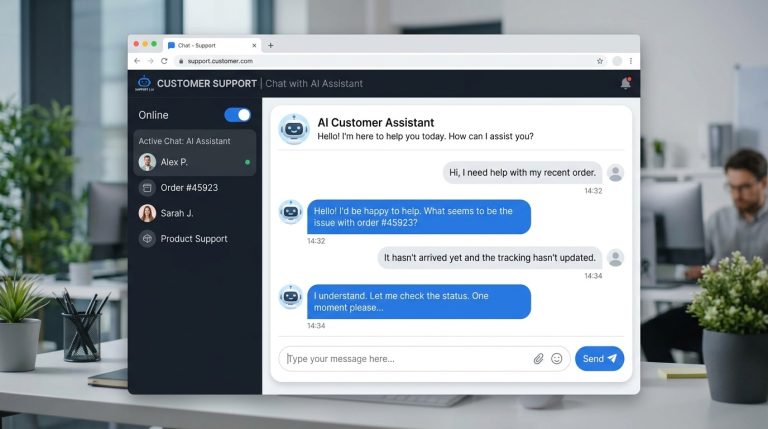
Customer service is being redefined by agents that not only answer queries but take action. Picture a client contacting a telecom provider to complain about a billing issue. Instead of transferring to a human, an AI agent accesses the CRM, reviews the account, applies a refund if needed, and sends an updated invoice. OpenAI’s GPT-4o, with its multimodal capabilities, is one of the first systems to showcase this level of integration.
Everyday Autonomy: Agents in the Home
The real revolution is how these agents slide seamlessly into everyday life. Smart home ecosystems are evolving beyond simple commands like “turn on the lights.” A modern AI agent recognizes when you wake up, brews your coffee, adjusts the thermostat based on the weather, and suggests a playlist suited to your mood. Companies like Apple are investing in edge-optimized multimodal models, such as FastVLM, that make this possible directly on devices.
Why Autonomous AI Agents Matter – and Where They’re Headed
The real innovation is not just that these systems act, but that they learn to act better over time. Unlike traditional automation, autonomous agents plan, evaluate, and adapt in ways that mimic human reasoning. They don’t simply complete tasks; they strategize. In healthcare, this could mean managing patient data while also coordinating follow-up treatments. In business, agents may run entire workflows, from drafting proposals to scheduling meetings and monitoring performance. And in everyday life, they quietly handle the countless micro-decisions that drain our attention.
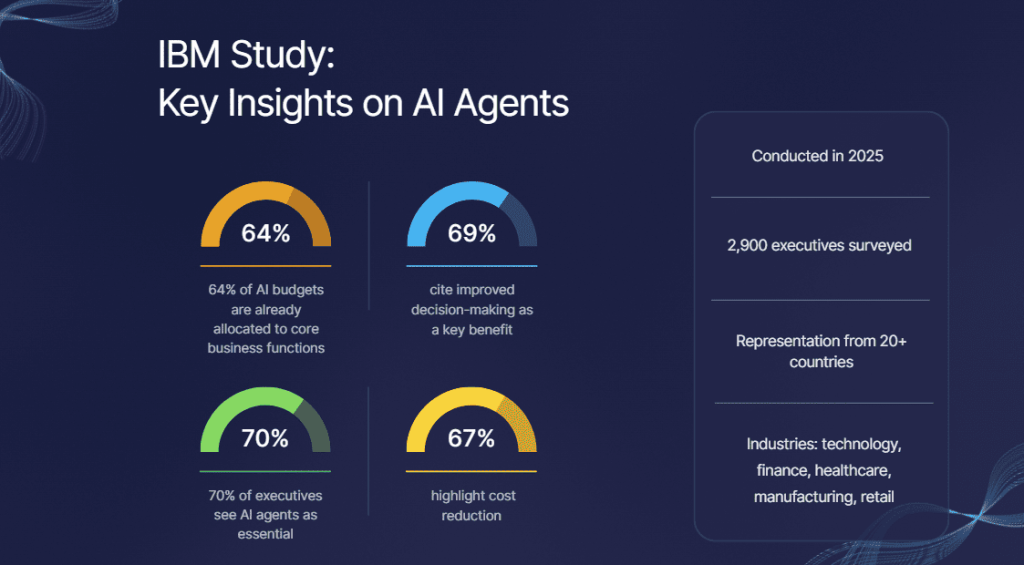
This is why industry analysts forecast explosive growth: the global AI agent market is expected to expand at a compound annual growth rate of over 40% through 2032, with enterprise adoption driving the curve. By 2030, experts predict that more than half of daily digital interactions will be executed by AI agents rather than humans.The Bottom Line
Autonomous AI agents represent the next chapter of artificial intelligence – not passive responders, but active doers. They’re transforming medicine, commerce, customer service, and even the routines of daily life. The question is no longer whether AI will act on our behalf, but how quickly we’ll let it take the wheel.
Frequently Asked Questions About Autonomous AI Agents
How safe is it to trust agents with sensitive data?
Safety depends on design. Companies like OpenAI and Google are investing heavily in privacy-first architectures and on-device processing to ensure sensitive information never leaves your ecosystem. According to Gartner, by 2027 more than 75% of enterprises will mandate AI governance frameworks to mitigate risks.
Can AI agents really make decisions on their own?
Yes, but within boundaries. Agents follow programmed objectives but use reasoning models to adapt their actions. For example, an e-commerce agent may lower prices automatically based on competitor trends but stays within parameters set by the business owner.
What makes AI agents different from chatbots?
Chatbots answer questions; agents perform tasks. For example, instead of just explaining how to reset a password, an AI agent can log into the system, reset it, and send you the new credentials.
Are AI agents already being used in healthcare?
Yes. Hospitals are testing AI agents for scheduling patient appointments, processing medical records, and even triaging emergency cases. Some pilot programs reduced administrative workload for doctors by 25%, freeing more time for patient care.
Can AI agents collaborate with each other?
Absolutely. Emerging frameworks like AutoGen allow multiple agents to coordinate on tasks. For example, one agent drafts a business plan, another analyzes financial models, and a third creates a marketing strategy – working together seamlessly.