

Last updated: April 7, 2026
Over the past decade, artificial intelligence has evolved from a futuristic vision into an everyday tool. But 2025 marks a new leap forward – the rise of Multimodal AI. These are systems that can understand, process, and create across multiple forms of information at the same time: text, images, voice, video, and even complex interactions that combine them all.
Meet Multimodal AI: Smarter, Faster, More Human
Unlike traditional AI, which is often limited to a single mode like text or images, Multimodal AI seamlessly connects multiple channels:
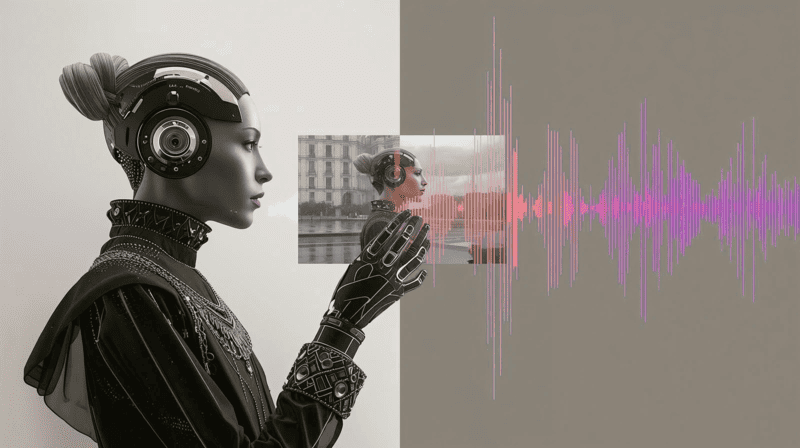
- Image-to-Voice: Show the AI a picture or video, and it instantly describes what it sees out loud.
- Text-to-Video: Type a prompt like “A child playing with a ball on the beach” and watch it transform into a realistic short video.
- Text-to-Logo: Input a brand name with a style description and generate a unique, professional logo within minutes.
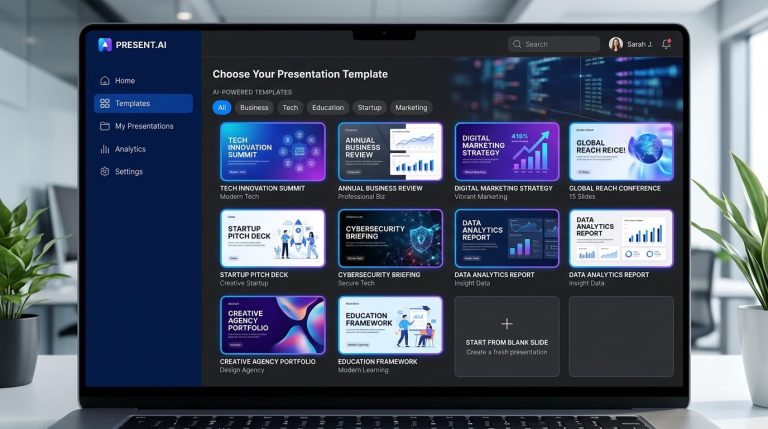
- Text-to-Website: Write a simple instruction – “A landing page for a local coffee shop” – and get a fully designed website with images, colors, and copy.
Game-Changing Tools Leading the Way
- OpenAI GPT-4o – Generates and understands text, voice, and images in a single seamless interaction.
- Google Gemini – Excels at combining text, images, and video for analyzing complex content.
- Runway – A Text-to-Video pioneer for fast, creative video production.
- DALL·E / MidJourney – Go-to platforms for generating high-quality images and logos from text.
- Durable / Wix AI – No-code website builders powered by AI.
- Design.ai – Multimodal powerhouse for logos, videos, voiceovers, and graphics.
- Shopify (Shopify Magic) – Smart AI that creates product descriptions, visuals, and landing pages.
- 10Web – AI-driven WordPress builder for instant site creation.
Why Multimodal AI Changes Everything
The true power of Multimodal AI isn’t just in generating different types of content – it’s in integrating them all. Imagine a small business typing in: “Italian family restaurant”. Within minutes, the AI delivers a polished logo, a promotional video, website copy, and a live landing page. What once took an entire team now takes a single click.
Even more transformative is its ability to deliver personalized experiences at scale:
- Marketing campaigns that adapt in real time to audience preferences.
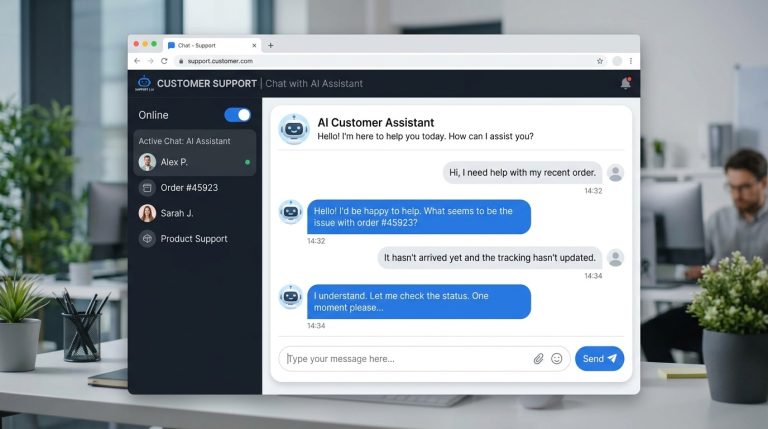
- Customer service that understands not only text but also voice tone and shared images.
- Learning platforms that merge text, voice, and visuals into immersive, interactive experiences.
Frequently Asked Questions About Multimodal AI
What makes Multimodal AI different from regular AI?
Unlike traditional AI that handles one type of data (like text or images), Multimodal AI connects text, images, voice, and video into one seamless system.
Can Multimodal AI really create videos from text?
Yes! Tools like Runway can turn a simple prompt into a short, realistic video in minutes.
Is Multimodal AI only for big tech companies?
Not at all. Platforms like Wix AI, 10Web, and Design.ai make it accessible to small businesses, freelancers, and creators.
How does Multimodal AI help small businesses?
It can generate logos, product descriptions, videos, and even full websites – saving time and costs while delivering professional results.
Is Multimodal AI accurate and reliable?
Accuracy is improving fast, especially as systems learn from larger and more diverse datasets, but human review is still recommended for critical tasks.
Can Multimodal AI be personalized?
Absolutely. It can adapt to audience preferences in real time – from marketing campaigns to customer support.
Does using Multimodal AI require coding skills?
No. Most tools are designed to be no-code, meaning anyone can use them without technical expertise.