What Is Retrieval-Augmented Generation (RAG)? Explained
RAG lets an AI model retrieve information from an external knowledge base before answering — keeping responses current, accurate and grounded. Here's how it works.
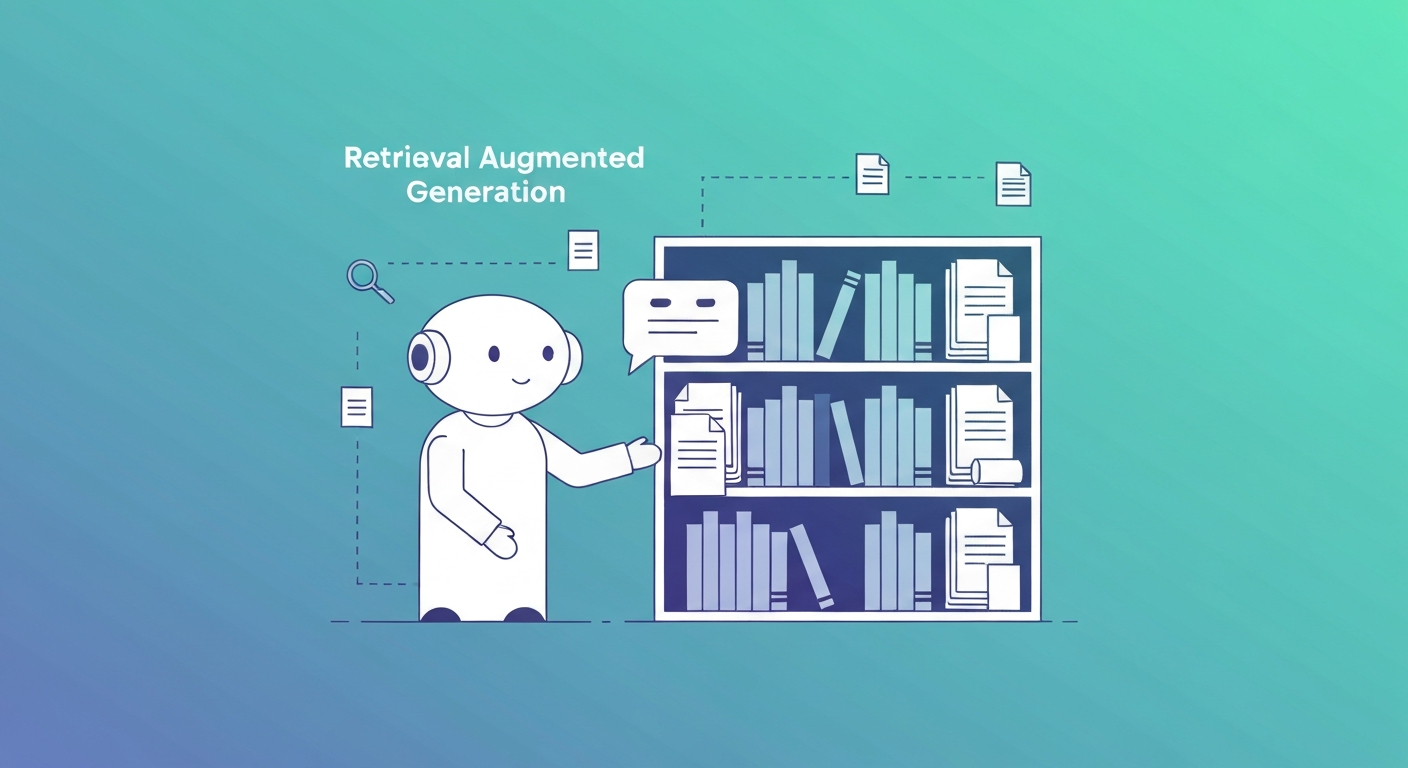
If you have used an AI chatbot that can cite your company's documents, answer questions about last week's news, or pull facts from a specific knowledge base, you have almost certainly encountered retrieval-augmented generation. Known as RAG, it is one of the most important techniques in modern AI — the bridge between a language model's general knowledge and the specific, up-to-date information you actually need. Here is how it works, in plain English.
The problem RAG solves
Large language models like the ones behind ChatGPT, Gemini, and Claude are trained on huge amounts of text, but that training has two big limits. First, their knowledge is frozen at the point they were trained — they do not know about events, documents, or data that came later. Second, they do not know anything private or specific to you: your company handbook, your product catalogue, your personal notes. And when asked about something outside their knowledge, they can “hallucinate,” confidently making up an answer. RAG is the technique designed to fix all of this.
What retrieval-augmented generation is
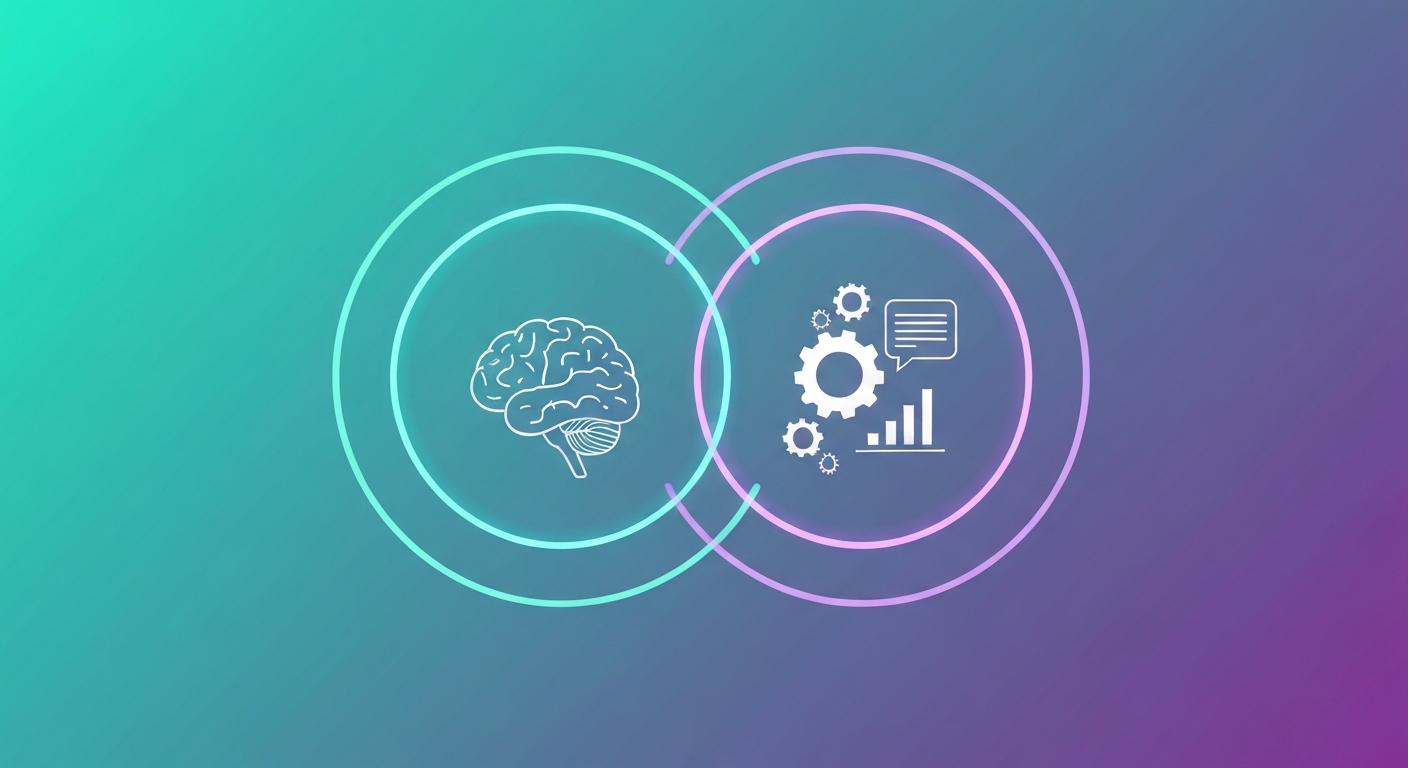
Retrieval-augmented generation combines two steps: retrieval (finding relevant information from an external source) and generation (having the language model write an answer). Instead of relying only on what the model memorised during training, RAG first fetches relevant documents from a knowledge base, then feeds them to the model as context so it can answer using that fresh, specific information. In effect, it lets the model “look things up” before it answers rather than relying purely on memory.
How RAG works step by step
The process behind the scenes is elegant:
- 1. Your documents are indexed. Text from your knowledge base — manuals, articles, records — is split into chunks and converted into numerical representations called embeddings, then stored in a vector database.
- 2. You ask a question. Your query is also converted into an embedding.
- 3. Relevant chunks are retrieved. The system searches the vector database for the chunks whose meaning is most similar to your question — a semantic search that finds information by meaning, not just keywords.
- 4. The model generates an answer. Those retrieved chunks are inserted into the prompt alongside your question, and the language model writes a response grounded in that supplied context.
The key is step four: the model is answering from information placed right in front of it, not just from its training.
Why RAG is so useful
RAG delivers several major benefits that have made it the go-to approach for practical AI applications:
- Up-to-date answers: connect it to a current knowledge base and the model can discuss information newer than its training cutoff.
- Domain-specific knowledge: it can answer about your private documents without retraining the model.
- Fewer hallucinations: grounding answers in retrieved sources makes the model far more accurate and less likely to invent facts.
- Citations: because answers come from specific documents, the system can show its sources, which builds trust and lets you verify.
- Cost efficiency: updating a knowledge base is far cheaper than retraining or fine-tuning a whole model.
RAG vs fine-tuning
People often ask how RAG compares to fine-tuning, another way of customising a model. Fine-tuning adjusts the model's internal weights by training it further on specific data — effective but expensive, slow to update, and better for teaching style or behaviour than facts. RAG leaves the model untouched and simply supplies knowledge at query time, making it ideal for information that changes often or is too large to bake in. Many real systems use both: fine-tuning for tone and skills, RAG for facts. For keeping answers current and grounded, RAG is usually the better tool.
Where you see RAG in action
RAG powers a huge range of real products: customer-support bots that answer from a company's help articles, internal assistants that search corporate documents, research tools that cite academic papers, and the “chat with your PDF” features now common in AI apps. Any time an AI answers using a specific, current, or private body of information — and shows you where it got the answer — RAG is very likely involved.
The bottom line
Retrieval-augmented generation makes AI smarter and more trustworthy by letting a language model retrieve relevant information from an external knowledge base and generate answers grounded in it. It solves the model's biggest weaknesses — stale knowledge, missing private data, and hallucination — without the cost of retraining. As AI moves deeper into business and everyday tools, RAG has become the standard way to connect powerful models to the specific, up-to-date facts that make their answers genuinely useful.
Build smarter with the right AI tools
RAG is one piece of the modern AI stack. Explore our guides to AI tools for building, writing, and research.